
What Does OSHA 1926.51(c) Actually Require?
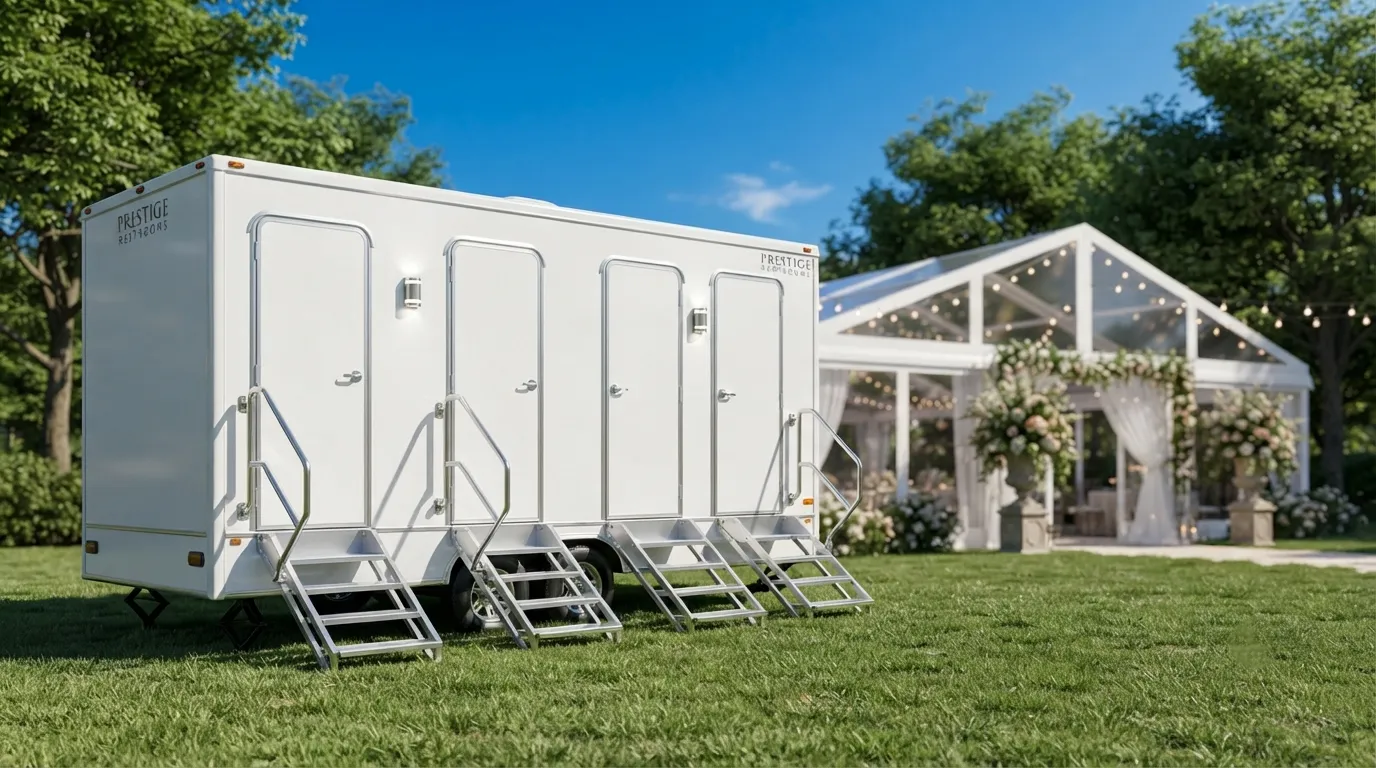
The rule is a ratio, not a flat number. Twenty workers or fewer needs one unit. Cross 20 and you owe one toilet seat plus one urinal per 40 workers, and once a crew hits 200 or more, that ratio eases to one seat and one urinal per 50. Most North Chicopee crews land in that middle band, and construction site services here are priced around it. OSHA 1926.51(a)(1) also requires an adequate supply of potable water at every job site, which matters if you are pairing units with a handwashing station rental. If your crew is spraying paint, coatings, herbicides or insecticides, 1926.51(f)(1) kicks in separately and requires washing facilities beyond the general toilet count. Renting a standard porta potty rental at the right ratio from day one avoids a scramble later, and it is cheaper than an emergency add-on. Check porta potty rental cost before you commit to a headcount, because pricing shifts with duration, not just unit count.
How Many Porta Potties Do I Need for My Crew?
Run the math off your peak headcount, not your average. A 15-person framing crew needs one unit under 1926.51(c). A 45-person crew crosses into the 40-worker tier and needs two toilet seats plus two urinals. Our how many porta potties do i need guide walks through the tiers step by step. For general industry workplaces rather than construction, the ratio comes from 1910.141(c)(1)(i) instead, so confirm which standard applies to your site before ordering. Farms and agricultural operations using hand labor fall under a different rule entirely: OSHA 1928.110 requires one facility per 20 workers, reachable within a quarter mile walk, which we cover on farm and agricultural restrooms. A standard unit holds a 60 to 70 gallon tank and runs about 44 by 48 inches on the ground, so plan clearance accordingly. If your site also needs an accessible unit, ADA restroom requirements and ADA Standards 213.2 require at least one accessible unit in any cluster, never fewer than one regardless of total count.
Where Should Portable Toilets Be Placed on a Job Site?
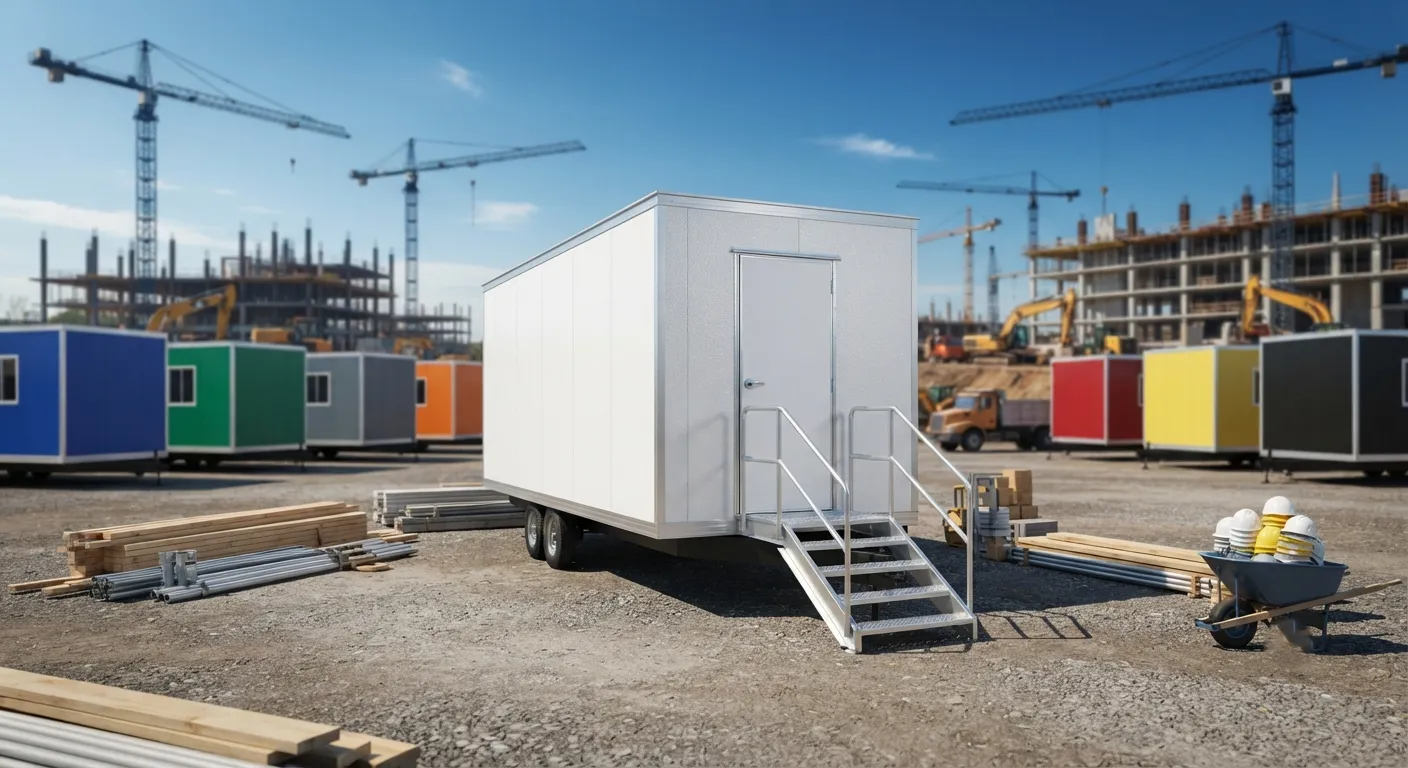
Placement drives compliance almost as much as headcount does. OSHA does not publish a fixed foot-distance rule for portable toilets, so treat any "OSHA portable toilet distance requirements" claim with caution; the standard focuses on ratio and access, not a specific yardage. What does matter: a stable, firm, slip-resistant surface under the unit per ADA Standards 302.1, a 36 inch clear route per ADA Standards 403.5.1, and a 60 inch turning circle per ADA Standards 304.3.1 if the unit is ADA accessible. Our porta potty placement guide covers ground conditions specific to North Chicopee sites, including thaw-season softness that can sink a unit's base. If you are running a roll-off dumpster rental alongside your toilets, remember the delivery truck needs about 60 feet of straight clearance behind it, which affects how you lay out the whole site. Keep debris cleared per OSHA 1926.25 so the path to the units stays open, and if you are running GFCI-protected equipment nearby, 1926.404(b)(1)(ii) applies to that circuit, not to the toilets themselves.

Do Cal OSHA Portable Toilet Requirements Apply in Massachusetts?
No. Cal OSHA rules are California-specific and do not apply to North Chicopee or anywhere else in Massachusetts. Sites here fall under federal OSHA, meaning 1926.51(c) for construction and 1910.141(c)(1)(i) for general industry. If you are bidding a job that spans state lines, or you saw a Cal OSHA portable toilet requirements construction spec on a national contract, confirm which standard the contract actually cites before pricing your rental. Confusing the two costs time on paperwork, not on the sanitation itself. For crews near Holyoke, 7.2 miles northwest, or West Springfield Town, 9.2 miles southwest, the federal ratio is what inspectors check, full stop. North Chicopee Porta Pros services all of it under the same federal standard, whether you are 12.8 miles out toward Westfield or working a site closer in. If you need a storage container rental or a mobile office trailer to hold documentation on-site, that falls outside OSHA's sanitation rules entirely but is worth planning alongside your toilet count. See service areas for the full coverage map.
How many porta potties do I need for a 30-person crew?
Thirty workers falls in the 20-to-40 tier, so you need one toilet seat and one urinal per 1926.51(c). That is one combination unit, not two separate ones. Check standard porta potty rental for pricing at that count.
Does OSHA require handwashing stations on every job site?
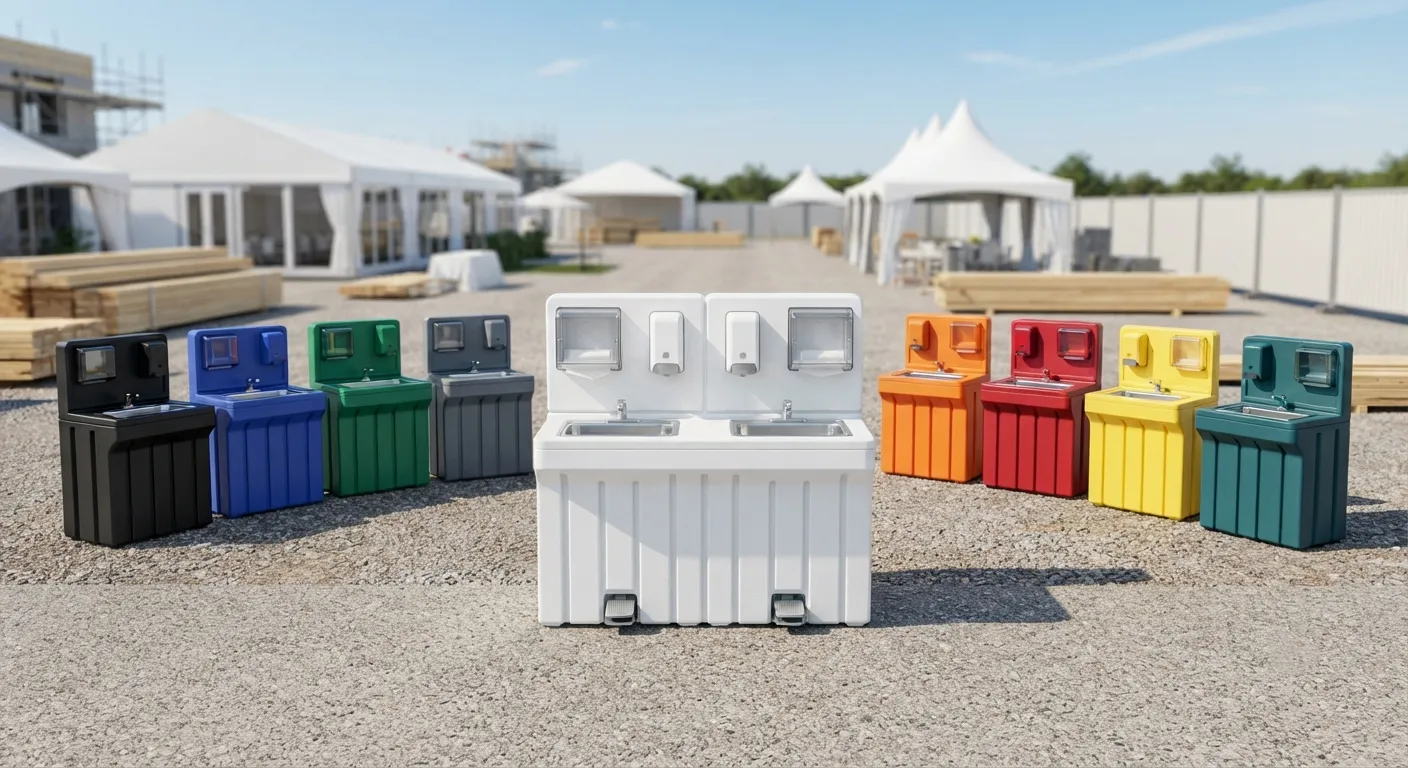
Not automatically. 1926.51(f)(1) requires washing facilities specifically when workers apply paints, coatings, herbicides or insecticides. Otherwise, 1926.51(a)(1) just requires potable water. See handwashing requirements for the full breakdown.
What is the OSHA ratio for a 200-person site?
At 200 or more workers, the ratio eases to one toilet seat and one urinal per 50 workers under 1926.51(c). That is fewer units per head than the 40-worker tier below it.
Can I use hand sanitizer instead of soap and water?
No. 29 CFR 1910.141(d)(2) requires soap and towels or a hand-drying device; hand sanitizer alone does not satisfy that rule. Pair units with a portable sink rental to stay compliant.
Is there a separate rule for farm sites?
Yes. OSHA 1928.110 covers agricultural field sanitation separately, requiring one facility per 20 hand-labor workers within a quarter mile walk. See farm and agricultural restrooms for specifics.
Next step
Get a delivery date
Tell us the address, the dates and the headcount. We size the order and confirm the route.