
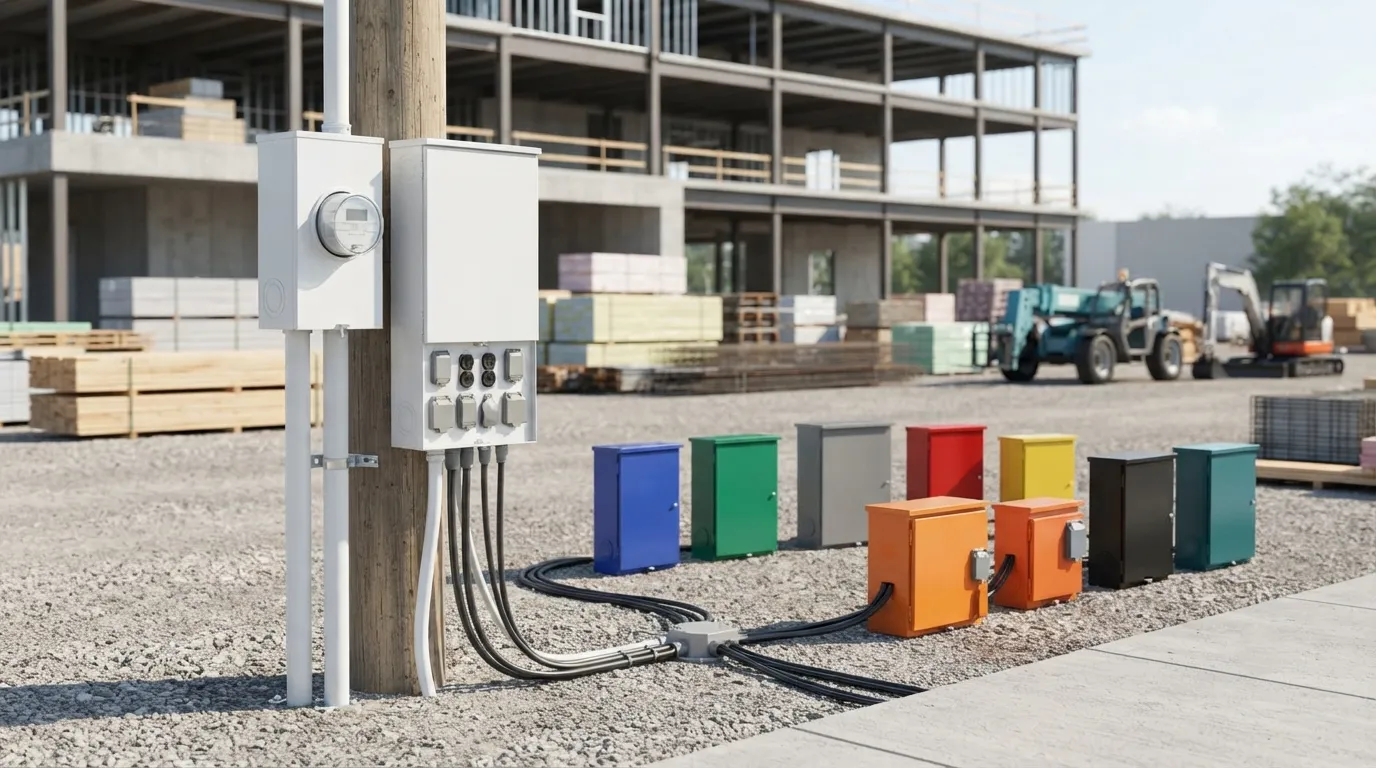
How many porta potties do I need for a construction site?
OSHA 1926.51(c) sets the jobsite baseline: 1 toilet facility for 20 workers or fewer, then 1 toilet seat and 1 urinal per 40 workers as the crew grows past 20, dropping to 1 seat and 1 urinal per 50 workers once you hit 200 or more on site. A 15-person framing crew in North Chicopee needs one standard porta potty. A 60-person crew crosses into the 40-worker bracket and needs at least two units, sometimes three once you factor in a second shift or a subcontractor trailer parked on the other side of the lot. Bigger builds should check OSHA portable toilet requirements before ordering, since the bracket math changes fast once headcount climbs. Most contractors here rent by the month; see monthly porta potty rental for how that pricing breaks down. If your crew is spread across a site bigger than a single lot, walking distance matters as much as headcount, which is covered in the porta potty placement guide.
| workers | toilets required | notes |
|---|---|---|
| 1 to 20 | 1 | baseline under 1926.51(c) |
| 21 to 40 | 2 | 1 seat, 1 urinal per bracket |
| 41 to 80 | 3 to 4 | add a unit per 40 workers |
| 200 plus | scales at 1 per 50 | OSHA ratio loosens at scale |
How many porta potties do I need for an event?
Events run on guest count and hours, not worker brackets. A 4 hour outdoor gathering needs roughly 1 unit per 50 to 75 guests; stretch that event past 6 hours or add alcohol and you want closer to 1 per 40. A 150-guest backyard wedding in North Chicopee running 5 hours with a bar should plan on 3 to 4 standard units, or step up to a deluxe flushable porta potty for a nicer feel near the reception tent. Multi-day festivals compound fast: each additional day adds wear and pump-out needs, so a 3-day county fair setup should add a service visit rather than just more units. Event restroom rental covers seasonal booking windows, and wedding restroom rental has more on matching unit style to guest count.
| guests | hours | units needed |
|---|---|---|
| 50 | 4 | 1 to 2 |
| 100 | 4 | 2 to 3 |
| 150 | 5, with alcohol | 3 to 4 |
| 300 | 6 to 8 | 5 to 7 |
Does alcohol change the porta potty count?
Yes. Alcohol increases bathroom trips and shortens the interval between visits, so add roughly one extra unit for every 100 guests once a bar is involved. A dry 100-guest picnic gets by on 2 units; the same guest list with an open bar for 5 hours should budget for 3, plus a hand sanitizer station rental near the bar itself. Multi-day events compound the same way: a 2-day festival with drinking both nights should treat each day as its own headcount rather than stretching one day's units across 48 hours. If you are already close to the ADA threshold, remember ADA Standards section 213.2 requires at least 5 percent of clustered single-user units be accessible, never fewer than one, so a 4-unit order for a wedding still needs one ADA accessible porta potty in the mix.
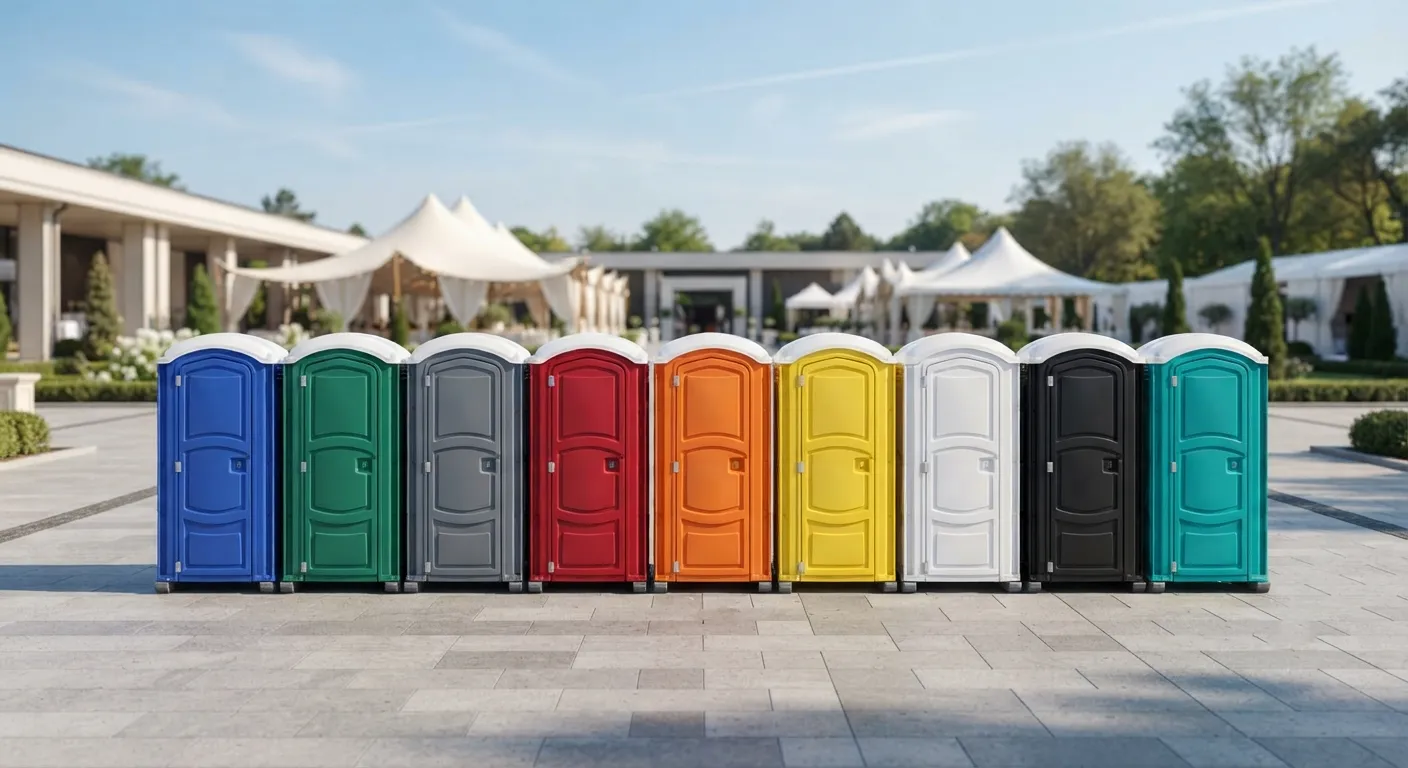
What size dumpster do I need alongside the toilets?
Most North Chicopee renovation and cleanout jobs pair a dumpster with the toilet order, and size comes down to cubic feet and tonnage, not guesswork. How many cubic feet in a 10 yard dumpster? A 10 yard dumpster runs about 12 feet long and holds roughly 1,700 to 2,000 cubic feet, suited to a single-room gut job. How many feet is a 20 yard dumpster, and how many cubic feet in a 20 yard dumpster? It runs about 20 feet long and holds close to 3,400 cubic feet, carrying an average of 2 to 3 tons depending on debris density, which answers how many tons does a 20 yard dumpster hold for most jobs. How many tons can a 30 yard dumpster hold? Usually 3 to 4 tons, and it holds around 5,100 cubic feet, common for full roof tear-offs. How many tons does a 40 yard dumpster hold? A 40 yard dumpster holds close to 6,800 cubic feet and can carry 4 to 5 tons, the size most contractors reach for on a whole-house demo. Check dumpster sizes and dimensions for the full breakdown, and confirm your load against dumpster weight limits before the truck rolls, since overage fees stack up fast on dense material like shingles or concrete.
| dumpster | length | cubic feet | typical tonnage |
|---|---|---|---|
| 10 yard | about 12 ft | 1,700 to 2,000 | 1 to 2 tons |
| 20 yard | about 20 ft | 3,400 | 2 to 3 tons |
| 30 yard | about 22 ft | 5,100 | 3 to 4 tons |
| 40 yard | about 22 ft | 6,800 | 4 to 5 tons |
Delivery needs about 60 feet of straight clearance behind the truck, so measure your driveway or alley before you book. Both 10 yard dumpster rental and 30 yard dumpster rental pages walk through placement on tighter North Chicopee lots.
How does a multi-day job change the count?
A single-day cleanout and a 6-month build need different math even with the same crew size. Under ANSI/PSAI Z4.3, the baseline service interval is one visit per week for up to 10 users over a 40 hour week, so a small crew on a long job can run fewer units than a headcount chart alone suggests, as long as service stays on schedule. Push past 10 daily users per unit, or run two shifts, and you need either more units or a tighter service cycle. Long renovation jobs in North Chicopee often start with porta potty rental per day pricing for the first week, then shift to monthly porta potty rental once the timeline firms up. Winter jobs add another variable: freeze risk changes service needs, covered in porta potty in winter.
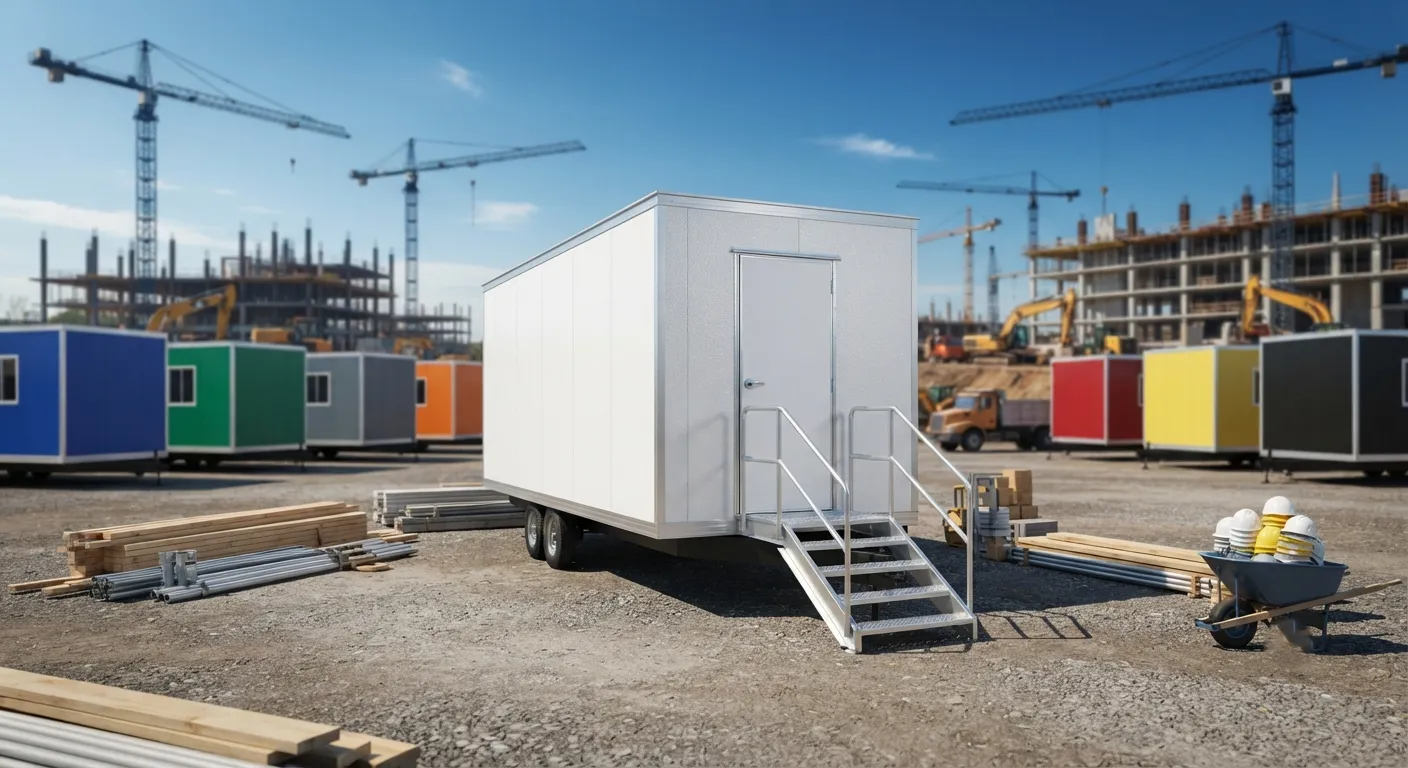
Where should units go on a crowded lot?
Placement affects count as much as headcount does. If workers have to walk more than a couple minutes to reach a unit, crews either hold it or double up on breaks, both of which slow the job. ADA Standards section 403.5.1 calls for a 36 inch clear route to any accessible unit, and section 405.2 caps ramp slope at 1:12, so a unit parked on a slope or behind a curb without a ramp does not count as compliant even if the headcount math checks out. On tight North Chicopee lots near Holyoke, 7.2 miles northwest, contractors often split units between two entrances rather than clustering them at one gate. The porta potty placement guide covers ground stability, since ADA Standards section 302.1 requires the surface under and around the unit be stable, firm and slip resistant.
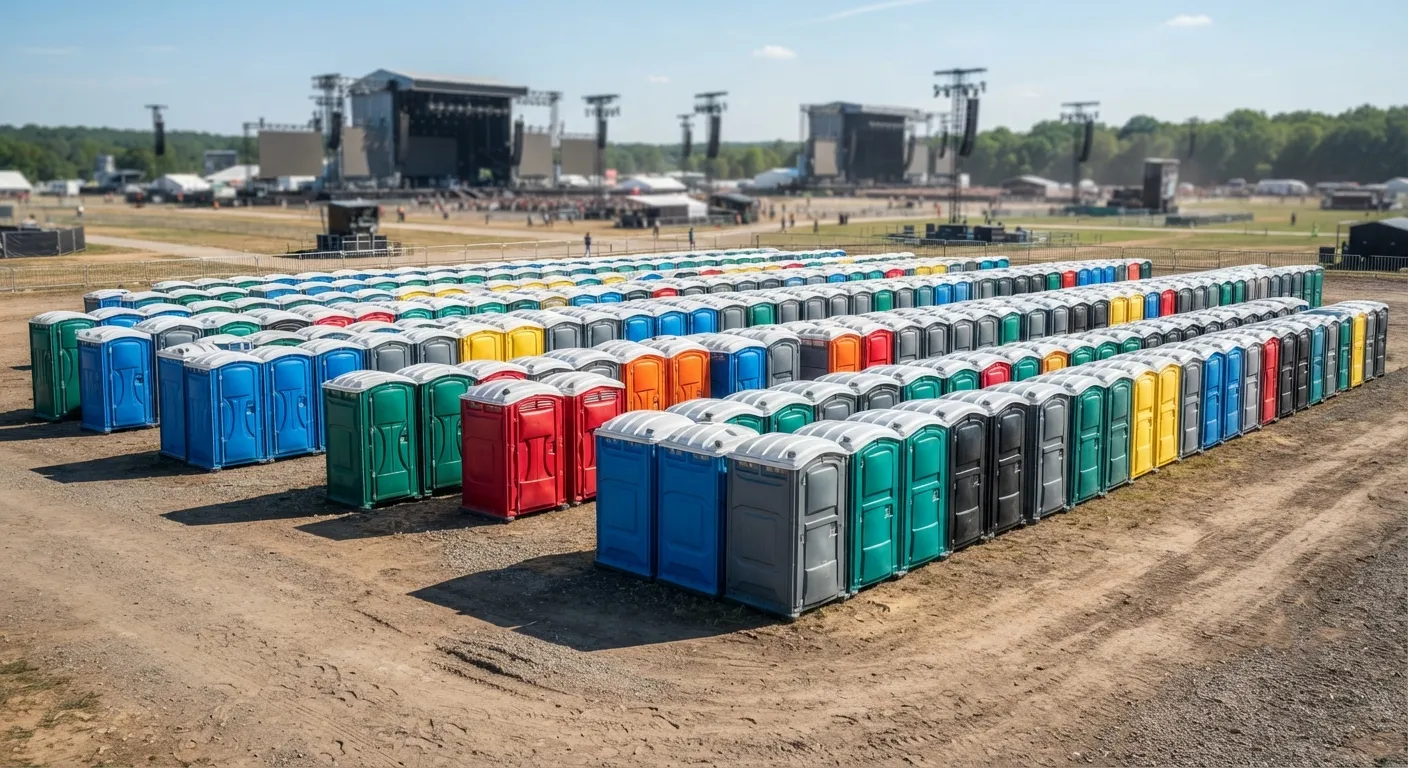
Are there separate rules for agricultural crews?
Yes, and they are stricter on distance, not headcount. OSHA 1928.110 requires field sanitation for hand-labor agricultural crews: potable water, toilets and handwashing at one facility per 20 employees, within a quarter mile walk of wherever the crew is working. That quarter-mile rule matters more on spread-out farm work than the raw headcount does, since a single unit serving 20 workers is useless if it sits half a mile from the field. Farm and agricultural restrooms covers seasonal moves across a property, and a handwashing station rental is worth pairing with any field unit since OSHA 1926.51(a)(1) requires an adequate supply of potable water at every place of employment regardless of crew size.
How many porta potties do I need for 100 people?
For a 4 hour event, plan on 2 to 3 standard units for 100 guests. Add a unit if alcohol is served, and add another if the event runs past 6 hours. A standard porta potty rental covers most daytime gatherings; step up to a trailer for evening receptions.
How many porta potties does OSHA require per worker?
OSHA 1926.51(c) requires 1 toilet for 20 workers or fewer, then scales to 1 seat and 1 urinal per 40 workers, dropping to 1 per 50 once headcount reaches 200. Crew size, not job length, drives the OSHA count.
Do I need an ADA unit even for a small event?
Yes, if you are clustering multiple single-user units. ADA Standards section 213.2 requires at least 5 percent of a cluster be accessible, and never fewer than one, even if that cluster is only 3 or 4 units total.
How many tons does a 30 yard dumpster hold?
A 30 yard dumpster typically carries 3 to 4 tons, depending on material density. Shingles and concrete hit the weight limit long before the box fills up visually, so check dumpster weight limits before loading.
How far apart should units be spaced on a jobsite?
Close enough that no worker walks more than a couple minutes each way. ADA Standards section 403.5.1 requires a 36 inch clear route to any accessible unit, and the ground under it must meet the stability standard in section 302.1.
Does a multi-day festival need more units per day than a single-day one?
Yes, treat each day as its own headcount rather than assuming one day's order covers the whole run. Add a mid-event service visit for anything past 2 days, since waste volume compounds with attendance and heat.
Next step
Get a delivery date
Tell us the address, the dates and the headcount. We size the order and confirm the route.